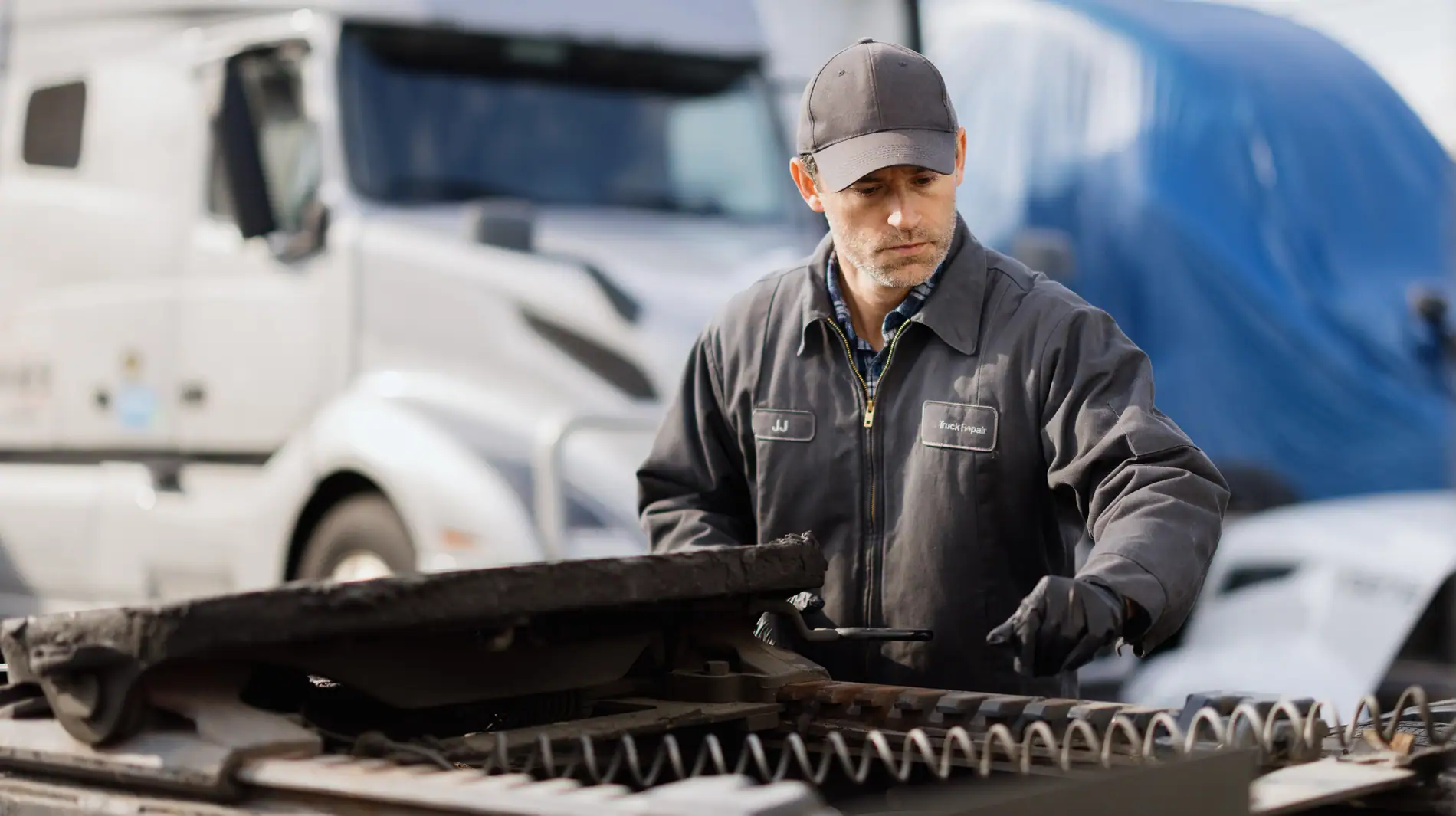
When it comes to hauling heavy loads, both gooseneck and fifth wheel trailers are popular choices for commercial fleets. Each offers distinct advantages for different applications, but they also come with unique maintenance requirements and challenges. Understanding these differences extends the life of your trailers, reduces the need for trailer repair, and ensures safety and efficiency on the road.
Gooseneck trailers are typically recognized by their long, curved necks that connect to a ball hitch mounted in the bed of a pickup truck. This setup provides excellent maneuverability and stability, making them a favorite for transporting construction equipment, livestock, and other heavy cargo.
Fifth wheel trailers use a large, flat coupling device—similar to those found on semi-trucks—mounted above the rear axle of the towing vehicle. This design allows for towing heavier loads and provides a smoother ride, especially over long distances.
Both systems are engineered for durability and strength, but their structural differences mean their maintenance and alignment needs aren't quite the same.
Gooseneck trailers often operate in demanding environments, from construction sites to ranches. Their maintenance routines should focus on areas prone to wear and tear to minimize downtime and reduce the need for unscheduled trailer repair.
The gooseneck connection endures significant stress with every load. Regularly inspect the ball hitch and coupler for signs of rust, cracks, or deformation. Lubrication is essential to prevent metal-on-metal grinding, which can accelerate wear and potentially lead to dangerous coupling failures. According to J.J. Keller's trailer inspection guidance, these components should be checked before every major haul.
The curved neck and weld points are common stress areas that deserve close attention. Inspect these for fatigue or hairline cracks, particularly after hauling oversized or off-balance loads. If you notice any structural concerns, our welding services can restore your trailer's integrity and prevent the need for major repairs down the line.
Because goosenecks often carry heavy, shifting loads, the braking system and suspension components require frequent checks. The Commercial Vehicle Safety Alliance provides detailed inspection criteria that can help fleet managers establish comprehensive maintenance protocols.
Uneven tire wear may indicate alignment issues or axle problems. Keeping tires properly inflated and rotated extends their lifespan and improves fuel efficiency—a critical consideration for fleet profitability and avoiding premature trailer repairs.
Fifth wheel trailers are engineered for the long haul, but their complex coupling systems and heavier loads introduce unique maintenance needs that differ from gooseneck applications.
The kingpin and plate assembly must be kept free of debris and properly lubricated to prevent binding and excessive wear. A dry or poorly lubricated plate increases friction, which can lead to steering difficulties and even detachment under stress—potentially resulting in emergency truck or trailer repair. Trucking industry experts recommend greasing the fifth wheel plate every 12,000 miles or monthly, whichever comes first.
Many fifth wheel hitches include adjustable sliders to change the kingpin position. Regularly check the locking mechanisms to ensure they are secure and free from corrosion. These adjustments affect weight distribution and handling, making proper maintenance critical for safe operation.
Fifth wheels often utilize advanced air suspension for smoother rides and better load protection. These systems should be inspected for leaks, proper pressure, and electronic sensor functionality. Failures can compromise both ride quality and safety, particularly when hauling sensitive cargo or operating at highway speeds.
The electrical harness and air brake lines between the tractor and trailer should be checked for wear, corrosion, and secure connections. Faulty connections can result in brake failure or lighting issues, leading to DOT violations, roadside delays, and possible truck repair needs.
Proper alignment is essential for both gooseneck and fifth wheel trailers. Misalignment can lead to excessive tire wear, decreased fuel efficiency, and dangerous handling characteristics. Research from the Technology & Maintenance Council of the American Trucking Associations shows that fleets prioritizing regular trailer alignment see tire life increases of up to 25% and measurable reductions in maintenance costs.
The unique hitch position and frequent use in off-road conditions make goosenecks especially susceptible to alignment drift. Hitting potholes or uneven terrain can knock axles out of specification, causing tires to scrub and suspension parts to wear prematurely.
Because fifth wheel trailers often travel long distances at highway speeds, even minor misalignments can quickly compound into serious problems. Routine alignment checks are recommended every 12,000–15,000 miles, or sooner if the trailer experiences a significant impact.
At Fleet Alignment Service, our experienced technicians use advanced laser alignment technology to ensure your trailers—whether gooseneck or fifth wheel—track true and maximize efficiency. Regular professional alignment services not only prolong component life but also reduce operating costs over time.
Knowing what to look for can prevent minor problems from becoming major headaches and costly downtime.
Rapid wear on the inside or outside edges of tires signals alignment problems that need immediate attention. Cupping or scalloping patterns indicate suspension issues that will only worsen with continued operation. These wear patterns not only reduce tire life but also compromise vehicle stability and safety.
If your trailer pulls to one side or doesn't track straight behind your towing vehicle, it's time for an alignment check. This behavior increases driver fatigue, reduces fuel economy, and can create dangerous situations in adverse weather conditions.
Heavy loads and constant vibration stress weld points and frame members over time. Pay particular attention to areas where the frame connects to the hitch assembly or suspension mounts—these are high-stress zones prone to fatigue cracking.
Any change in braking feel, unusual noises, or extended stopping distances warrant immediate professional inspection. Our brake and bearing services keep your stopping power reliable and ensure compliance with federal safety standards, reducing the risk of future truck repair emergencies.
While routine inspections and maintenance can catch many issues, certain problems require the expertise of a professional service provider with specialized equipment and training.
If you notice rapid or uneven tire wear, especially after recent alignment or repairs, seek specialized alignment diagnostics. Our team can identify the root cause—whether it's frame damage, bent axles, or worn suspension components—and correct it properly the first time.
Any new clunks, squeaks, or changes in how the trailer tracks should be addressed immediately to prevent escalation. Frame damage, cracked welds, or bent components require professional fabrication services to ensure proper repair and safety compliance.
Damaged or bent axles compromise your entire trailer's performance and safety. Our axle services restore proper geometry and load distribution, ensuring your trailer handles as designed.
Air brake and suspension issues should always be handled by certified technicians to ensure compliance with safety standards and DOT regulations.
The key to maximizing your trailer's lifespan and minimizing downtime is a proactive maintenance approach that catches problems early.
Create a consistent inspection routine based on mileage, load cycles, or time intervals. Document all findings to track patterns and predict when components will need replacement.
Before every major haul, conduct a thorough walk-around inspection checking hitches, tires, lights, brakes, and suspension components. This simple practice, recommended by the Federal Motor Carrier Safety Administration’s official regulations, prevents most roadside failures and keeps your fleet compliant.
Schedule professional alignment services at regular intervals, typically every 12,000–15,000 miles for highway trailers and more frequently for trailers operating in harsh conditions. Keep all moving parts properly lubricated according to manufacturer specifications, including fifth wheel plates, kingpins, ball hitches, and slider mechanisms.
Maintain detailed service records for each trailer in your fleet. This helps identify problem patterns, supports warranty claims, and provides valuable information that enhances resale value.
Gooseneck and fifth wheel trailers are both robust, reliable options for heavy-duty hauling, but keeping them in top shape requires attention to their unique maintenance and alignment needs. By investing in regular inspections, proactive maintenance, and professional alignment services, you protect your equipment, your drivers, and your bottom line.
Our team at Fleet Alignment Service is dedicated to helping fleet owners and operators keep their equipment road-ready and compliant with DOT regulations. With more than four decades of combined experience, we specialize in complete mechanical services for commercial trucks, trailers, RVs, and ice houses—including expert trailer repair and truck repair.
Whether you need trailer repair, precision alignment, suspension work, or fabrication services, we have the expertise and equipment to handle it. We rely solely on high-quality parts from dependable brands, ensuring your vehicle is always road-ready.
If you have questions about gooseneck or fifth wheel maintenance, or want to schedule an alignment check, contact Fleet Alignment Service today. We're here to help your fleet stay safe, efficient, and on the move.
 651.462.3299
Fleet Alignment Service
27540 Forest Blvd
Wyoming, Minnesota 55092
Hours
Mon - Thurs: 7 am - 4:30 pm
Fri: 7 am to 1 pm
Saturday: Closed
Sunday: Closed