

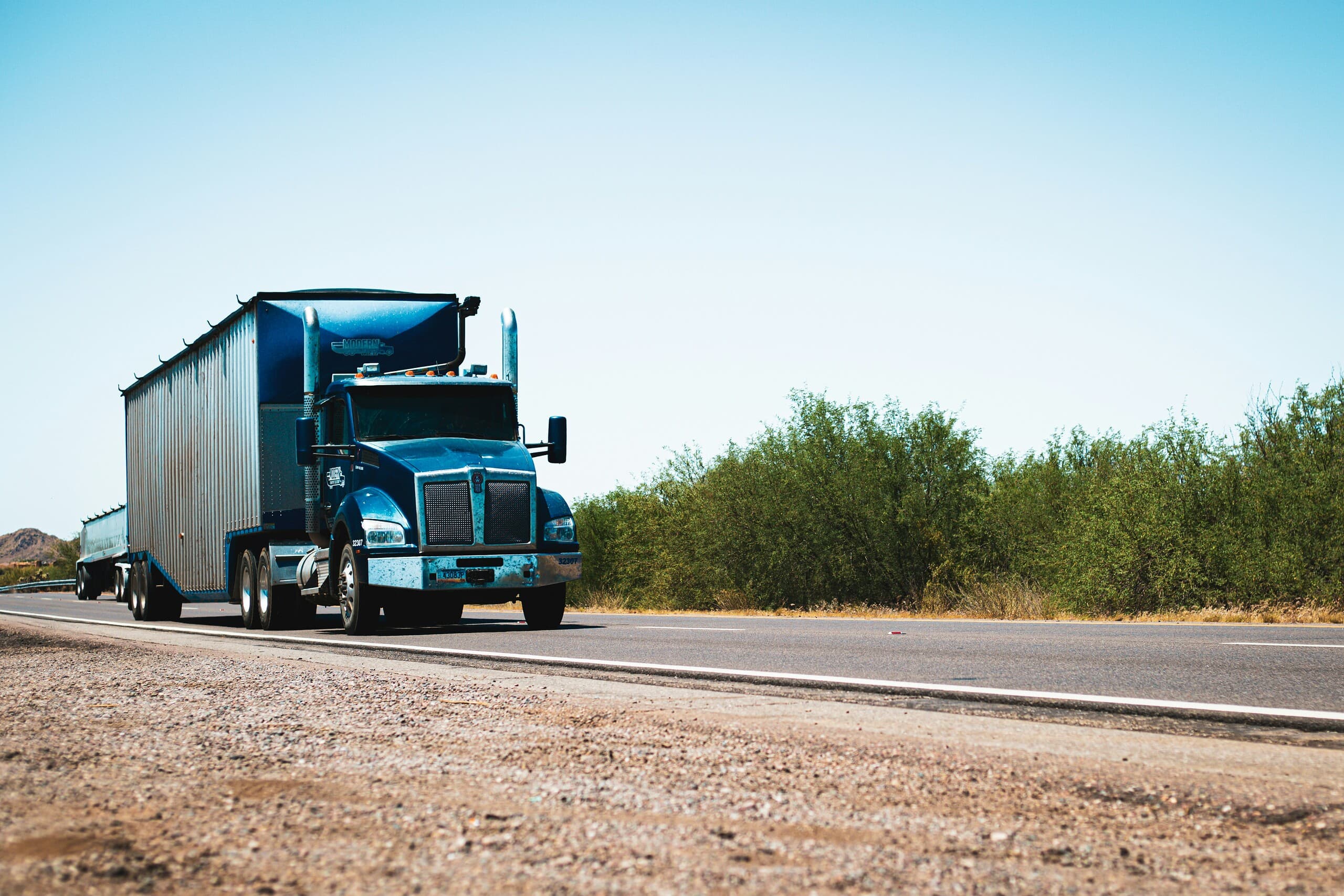
Your semi-truck may need kingpin repair when the steering feels loose, handling changes, or steer tires wear unevenly. Shaking, unusual noises, and excess movement in the steering system can also point to a problem.
Kingpins play an important role in how your truck steers. They connect the steering knuckle to the steer axle and allow the wheels to turn smoothly.
As kingpins and their bushings wear, unwanted movement can develop. That movement may affect steering response, handling, alignment, and tire wear.
However, these symptoms do not always mean the kingpins are the cause. Several steering and wheel-end components can produce similar warning signs. A professional inspection can identify the source of the movement.
At Fleet Alignment Service, we provide steering and kingpin services for semi-truck drivers dealing with these concerns. Knowing what to watch for can help you decide when to schedule an inspection.
Loose or wandering steering can be a sign of worn kingpins or bushings. If your truck requires more correction to stay on course, the steering system deserves attention.
Kingpins work with bushings to help maintain controlled movement at the steering knuckle. Wear can create excess play in this connection and make steering feel less precise.
You might notice that the truck does not respond as tightly as it once did. Keeping it traveling straight may also require more steering input.
Worn kingpins are not the only possible cause. Tie rods, steering gears, wheel bearings, and other components can affect steering behavior.
That is why Fleet Alignment Service inspects steering components before recommending the right repair. Our semi-truck steering services include kingpins, axle boring, tie rods, drag links, steering gears, and other components.
Uneven or premature front-tire wear can signal a kingpin, bushing, or alignment problem. When wear develops where it should not, the truck's front end should be inspected.
According to Graco's guidance on diagnosing worn kingpins, worn kingpins and bushings can contribute to improper alignment and uneven front-tire wear. They can also affect handling.
Tire wear provides clues, but it does not diagnose the problem by itself. Alignment settings and other worn components can also change how a tire contacts the road.
That makes a complete inspection important. Simply correcting alignment without addressing worn steering parts may leave the underlying problem unresolved.
Fleet Alignment Service provides commercial truck alignment services alongside steering inspections and repairs. This allows technicians to look beyond the alignment angles and identify worn components that may be affecting them.
Steering wheel or cab vibration can accompany worn kingpins and bushings. Persistent shaking deserves an inspection because several front-end problems can create similar symptoms.
Graco identifies rough handling and shaking in the cab or steering wheel among possible signs of kingpin and bushing wear. The source also stresses the importance of further diagnosis to rule out other wheel-assembly problems.
That distinction matters.
A vibration does not automatically mean your semi-truck needs kingpin replacement. The goal should be to find the source rather than replace parts based on one symptom.
A professional inspection can check for unwanted movement and determine which components are worn. This gives you a clearer path toward the correct repair.
Clunking and noticeable steering play can indicate wear around the kingpin, bushings, or other steering components. These changes become especially important when they appear alongside poor handling or unusual tire wear.
Bushings help control movement between connected parts. As these components wear, the fit may become looser than intended.
Fleet Alignment Service lists clunking, loose steering, pulling, and uneven tire wear among signs that can indicate worn bushings. Our bore and bushing services address wear affecting steer axles and spindles.
Pay attention to changes from your truck's normal behavior. You know how your truck usually responds on the road.
A new sound or change in steering does not tell you exactly what failed. It does tell you that an inspection may be worthwhile.
So, how do you know if kingpins are bad? Technicians check the kingpin and related components for excessive movement, wear, and damage instead of relying on driving symptoms alone.
The inspection helps separate kingpin wear from problems involving wheel bearings or other steering parts. Technicians can then compare their findings with the specifications that apply to the truck and axle.
This step matters because kingpin wear does not have one universal limit for every truck. Axle designs and manufacturer specifications can differ.
Professional diagnosis considers those differences. It also prevents a symptom such as wandering or vibration from being automatically blamed on one component.
Fleet Alignment Service also checks kingpins, drag links, tie rod ends, bushings, spring pins, and wheel bearings during our DOT inspection services. Looking at these related components helps build a clearer picture of front-end condition.
Kingpin repair restores the proper connection and movement between the steer axle and steering knuckle. The exact service depends on which parts have worn and the condition of the surrounding components.
In many cases, worn kingpins and bushings require replacement. Technicians inspect the assembly to determine whether additional wear has affected the axle bore.
An axle bore can become worn or distorted over time. When that happens, installing new parts alone may not correct the fit.
Fleet Alignment Service provides kingpin work along with axle boring and bushing services. The shop can inspect steer axles and spindles and determine which repairs are appropriate for the existing wear.
This is one reason kingpin repair belongs in a professional heavy-truck shop. The job involves more than swapping one worn component for another. Correct fit and component condition matter to the finished repair.
Timely kingpin repair helps restore controlled steering and dependable handling. It can also address a source of abnormal tire wear before that wear continues.
Steering problems tend to make themselves known during the miles you depend on your truck most. A truck that wanders or requires constant correction can make an ordinary route less predictable.
Correcting the actual source changes that experience.
Instead of compensating for loose steering, you can have a truck that responds more predictably. Instead of watching an unusual steer-tire wear pattern continue, you can address the mechanical condition contributing to it.
Prompt attention can also help keep one worn area from affecting related components. The key is catching the problem, diagnosing it correctly, and choosing the repair that matches the truck's condition.
If your semi-truck has loose steering, unusual tire wear, vibration, or other handling changes, a professional inspection can help identify the cause. Kingpins may be responsible, but the complete steering system deserves a closer look.
Fleet Alignment Service provides commercial truck steering, alignment, and repair services for owner-operators and fleets. Our Wyoming, Minnesota, shop handles kingpins, axle boring, bushings, tie rods, steering gears, and related heavy-truck components.
You do not have to guess whether your kingpins are causing that change behind the wheel. Contact Fleet Alignment Service to schedule an inspection and get a clearer answer.
Because when your steering starts talking, it pays to listen before the tires tell the rest of the story.
 651.462.3299
Fleet Alignment Service
27540 Forest Blvd
Wyoming, Minnesota 55092
Hours
Mon - Thurs: 7 am - 4:30 pm
Fri: 7 am to 1 pm
Saturday: Closed
Sunday: Closed